
Le Cobaye des rochers (Kerodon rupestris), aussi appelé Mocó dans son pays d'origine, est une espèce de Rongeurs hystricognathes de la famille des Cavidés. Ce sont des mammifères terrestres, endémiques du Brésil. L'espèce a été décrite pour la première fois en 1820 par Maximilian zu Wied-Neuwied (1782-1867), un prince allemand, naturaliste, ethnologue et explorateur.
The rock cavy or mocó (Kerodon rupestris) is a species of cavy that is endemic to eastern Brazil. It has also been introduced to the Atlantic island of Fernando de Noronha. The rock cavy is called mocó in Brazilian Portuguese, and koriko pexerumen in the Xukuru language of Pernambuco, Brazil.
El cuy de roca o mocó (Kerodon rupestris) es una especie de roedor histricomorfo de la familia Caviidae endémica del este de Brasil, que también ha sido introducida en la isla atlántica de Fernando de Noronha. Descripción El mocó es un roedor bastante grande que pesa hasta 1 kg (2,2 lb). Como otras especies de cávidos, sus colas son vestigiales o están ausentes.
Distribution
More from the same family
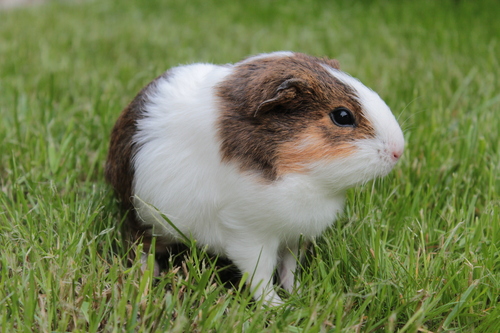
Brazilian Guinea Pig
Cavia aperea
Caviidae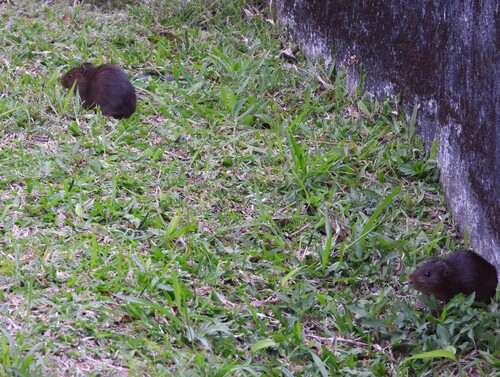
Shiny Guinea Pig
Cavia fulgida
Caviidae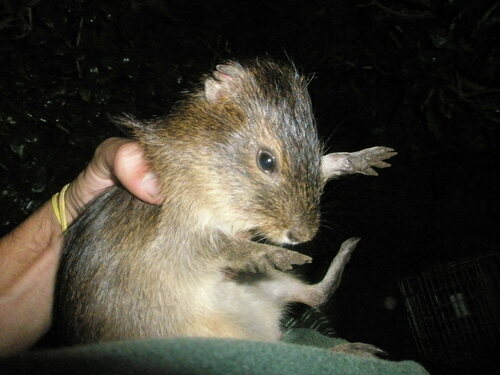
Santa Catarina's Guinea Pig
Cavia intermedia
Caviidae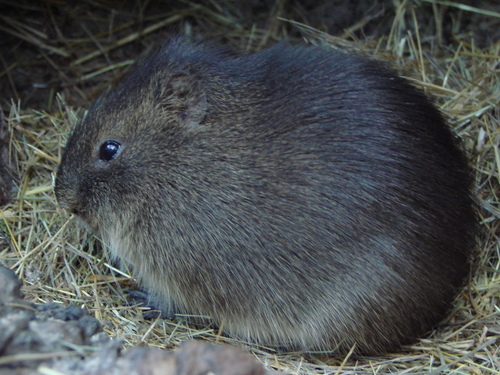
Greater Guinea Pig
Cavia magna
CaviidaeDomesticated Guinea Pig
Cavia porcellus
Caviidae
Yellow-toothed Cavy
Galea flavidens
Caviidae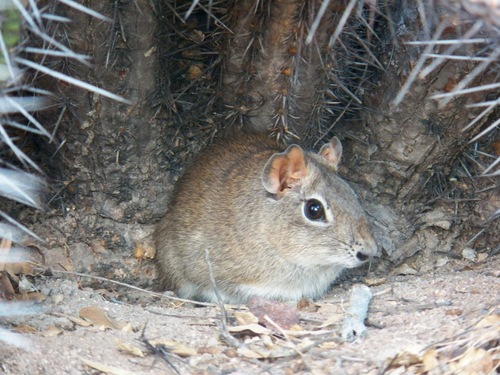
Spix's Yellow-toothed Cavy
Galea spixii
Caviidae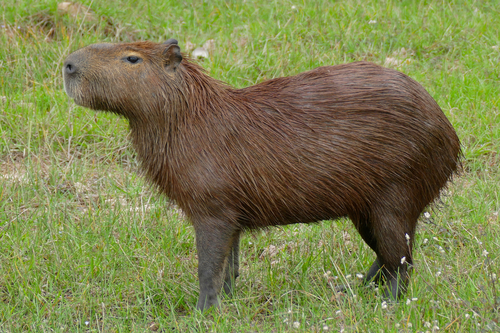
Capybara
Hydrochoerus hydrochaeris
Caviidae