
Perinereis minerva
Perinereis minerva
Classification
- Class
- Polychaeta
- Order
- Phyllodocida
- Family
- Nereididae
En grec ancien, le terme d’arété ou arétè (ἀρετή) se réfère à l'excellence et à la réalisation du plein potentiel, allant au-delà de la simple notion de « mérite » ou « vertu ». Selon l'helléniste Werner Jaeger, son étymologie, qui suggère une « adaptation parfaite », traduit une harmonie entre l'utile, le beau et le plaisant. L'arété dans la culture grecque antique ne se limite pas à une quête personnelle de perfection mais constitue aussi un idéal social profondément enraciné dans la tradition.
Arete (Ancient Greek: ἀρετή, romanized: aretḗ) is a concept in ancient Greek thought that refers to "excellence" of any kind—especially a person or thing's "full realization of potential or inherent function." The term may also refer to excellence in "moral virtue." The concept was also occasionally personified as a minor goddess, Arete (not to be confused with the mythological Queen Arete), who, together with sister Homonoia, formed the Praxidikai ("Exacters of Justice").
Todavía no hay una descripción disponible en español.
Distribution
Sources and credits
DescriptionArete, Wikipedia contributorsMore from the same family
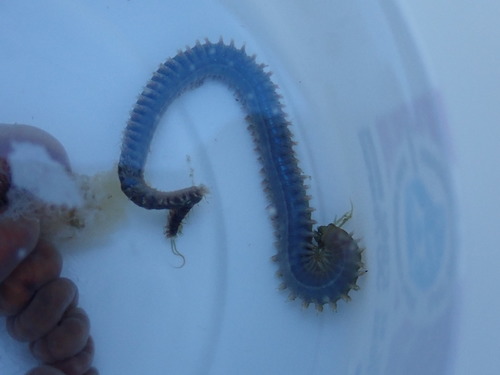
Nereis zonata
Nereis zonata
Nereididae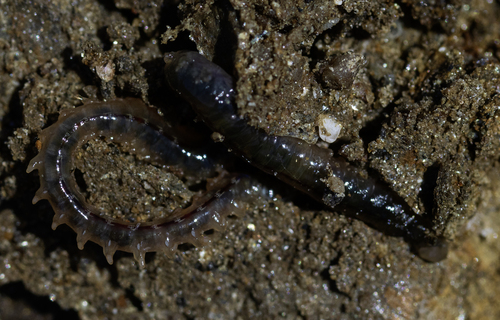
Ragworm
Perinereis cultrifera
Nereididaecomb-toothed nereid
Platynereis dumerilii
NereididaeBOLD:AEE1368
BOLD:AEE1368
NereididaeBOLD:AEH1610
BOLD:AEH1610
NereididaeCeratonereis vittata
Ceratonereis vittata
NereididaeComposetia costae
Composetia costae
NereididaeComposetia hircinicola
Composetia hircinicola
Nereididae