
Jamaican Monkey
Xenothrix mcgregori
Classification
- Class
- Mammalia
- Order
- Primates
- Family
- Pitheciidae
Paralouatta est un genre fossile de platyrrhiniens qui contient actuellement deux espèces de petits primates qui vivaient sur l'île de Cuba. Liste des espèces Selon GBIF (30 juillet 2023) : † Paralouatta marianae MacPhee et al. , 2003 † Paralouatta varonai Rivero & Arredondo, 1991 - espèce type L'espèce type, Paralouatta varonai, a été décrite à partir d'un crâne presque complet de la fin du Quaternaire en 1991.
The Jamaican monkey (Xenothrix mcgregori) is an extinct species of New World monkey that was endemic to Jamaica. It was first uncovered at Long Mile Cave by Harold Anthony in 1920. Discovery Harold Anthony is responsible for many species descriptions of Caribbean taxa during the 1920s and his field notes record the discovery of the monkey material: "January 17 – Spent all day digging in the long mile cave and secured some good bones.
Xenothrix mcgregori es una especie extinta de mono del Nuevo Mundo (platirrino) de la familia Pitheciidae. Se cree que vivió hasta principios del siglo XVIII. Fue descubierto en Long Mile Cave en Jamaica por Harold Anthony en 1919.
Distribution
More from the same family
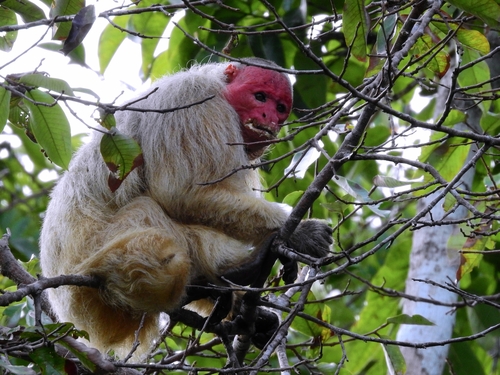
White Bald-headed Uakari
Cacajao calvus
Pitheciidae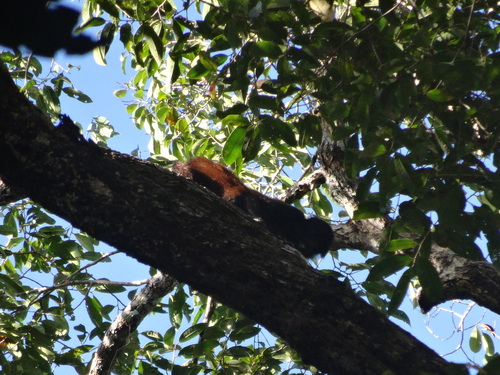
Black-headed Uacari
Cacajao melanocephalus
Pitheciidae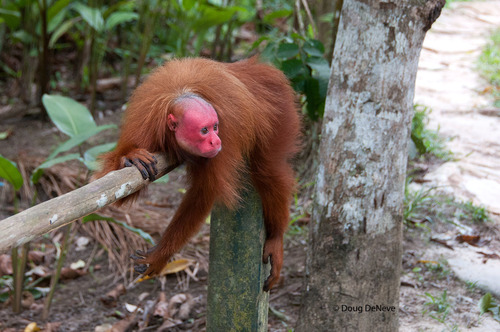
uacaris
Cacajao ucayalii
Pitheciidae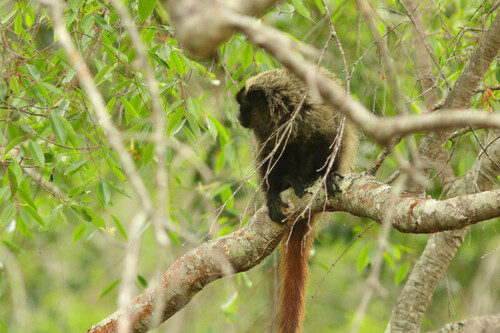
Blond Titi Monkey
Callicebus barbarabrownae
Pitheciidae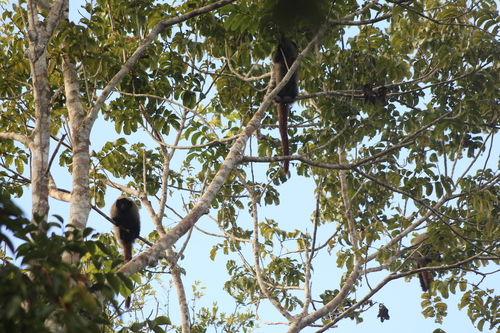
Coimbra-Filho’s Titi Monkey
Callicebus coimbrai
Pitheciidae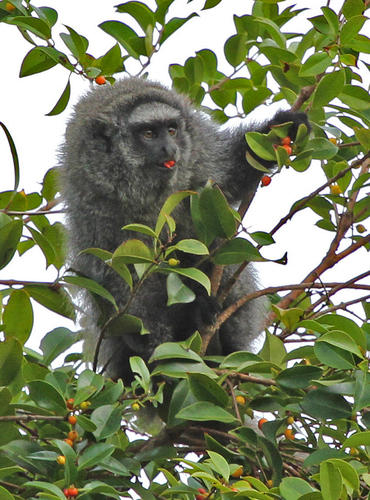
Black-handed Titi
Callicebus melanochir
Pitheciidae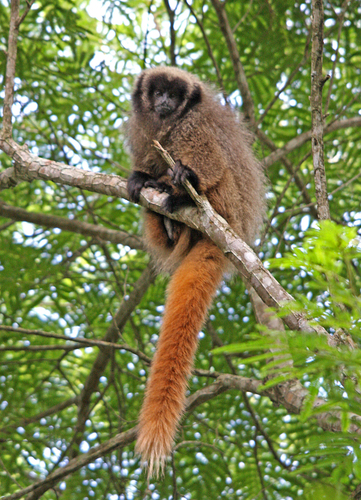
Black-fronted Titi Monkey
Callicebus nigrifrons
Pitheciidae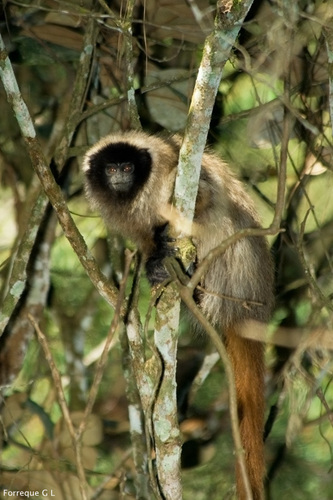
Atlantic Titi
Callicebus personatus
Pitheciidae